
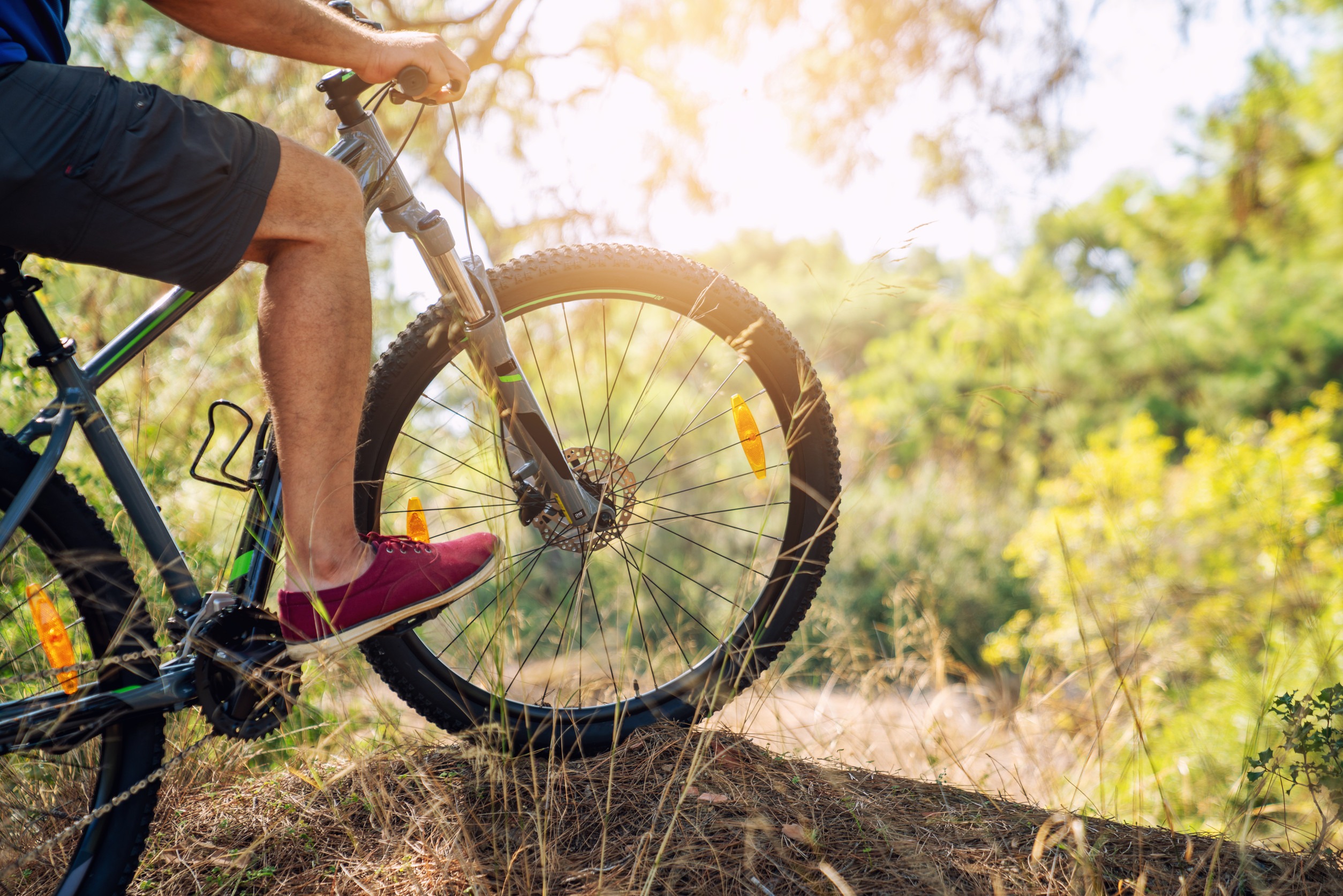
There is a particular kind of tired that comes after a full day of mountain biking. Your legs have worked through climbs, your arms and shoulders have absorbed miles of trail, and your concentration has been tested through turns, descents, rocks, roots, and changing terrain. Add in a little Cuyuna red dirt, and you have the signs of a day well spent.
But when your biking getaway includes another ride tomorrow, what happens after you leave the trail matters too.
Good mountain biking recovery does not need to involve complicated routines or specialized equipment. For most recreational riders, recovery is about giving your body the basics it needs after physical activity: fluids, food, rest, comfortable movement, and enough downtime to recharge.
It is also about your bike. Taking a few minutes to clean and inspect your equipment after a day on the Cuyuna trails can make the next morning easier.
Whether you are spending a weekend mountain biking in the Cuyuna Lakes Area or simply want to feel better after a long day on the trails, these practical recovery tips can help you transition from adventure mode to relaxation mode.
Mountain biking is a full-body activity.
Your legs may do most of the pedaling, but your core helps stabilize your body, your arms help control the bike, and your hands constantly work the brakes and handlebars. Even your mental focus can feel tired after hours of watching the trail and making quick decisions.
Long rides can also use significant energy and fluids. Warm weather, challenging climbs, longer distances, and higher-intensity riding can increase those demands.
Recovery gives your body an opportunity to replenish what was used during the ride and prepare for whatever comes next.
That becomes especially important on a multi-day Cuyuna mountain biking trip. If Saturday’s ride leaves you completely depleted, Sunday’s ride may not be nearly as enjoyable.
Rather than treating recovery as something reserved for competitive athletes, think of it as part of the overall biking experience.
You explored the trails. Now it is time to enjoy the other half of a good outdoor getaway: slowing down.
One of the easiest mistakes riders make is waiting until the ride is completely over before thinking about recovery.
You can make the transition much easier by paying attention to hydration, food, and effort throughout the day.
Bring enough water for the length and intensity of your ride. On longer outings, consider whether you also need food or snacks. Taking reasonable breaks can help you avoid reaching the end of the day feeling completely drained.
Your pace matters too.
Cuyuna offers opportunities for riders with different experience levels, and there is no reason every outing needs to become an endurance challenge. If you know you want to ride again the following day, consider leaving something in the tank.
Finishing a ride feeling pleasantly tired is very different from finishing completely exhausted.
One of the first things to think about after mountain biking is replacing fluids.
How much fluid you need depends on factors such as temperature, humidity, how long you rode, your intensity level, and how much you personally sweat. There is no single amount that works perfectly for every rider.
That is why hydration should happen throughout the day rather than beginning only after you return to your room.
Once the ride is finished, continue drinking fluids gradually. After especially long or sweaty rides, electrolytes may also be useful as part of your rehydration strategy.
You do not need to turn this into a complicated formula during a recreational biking weekend. The larger point is simple: do not spend hours riding and then forget about hydration once the bike is parked.
Keep water accessible during the evening and continue drinking according to your thirst and individual needs.
A long trail ride requires energy, and your post-ride meal can play an important role in recovery.
Carbohydrates help replenish energy stores used during exercise, while protein supports muscle repair. A balanced post-ride meal that contains both can be a practical choice after several hours on a mountain bike.
Fortunately, you do not need a special “cycling recovery meal.”
Normal foods can work perfectly well.
Depending on your preferences, a post-ride meal might include options such as:
The best choice is one that fits your dietary needs, tastes good after a ride, and provides enough food to replace some of the energy you used on the trails.
The Cuyuna Lakes Area also offers a variety of food and drink options around Deerwood, Crosby, Ironton, and neighboring communities, making it easy to incorporate a relaxed meal into your post-ride evening.
Sometimes riders finish a long ride without being ready for a full meal immediately.
A simple snack can bridge the gap.
Fruit and yogurt, chocolate milk, a smoothie, a sandwich, crackers with cheese, or another combination of carbohydrates and protein can provide some nourishment while you clean up and decide what sounds good for dinner.
This can be especially convenient if your Cuyuna biking day ends in the middle of the afternoon and your evening meal is still a few hours away.
Planning ahead helps. Keeping a few easy foods in your room means you do not have to make every food decision while tired and hungry.
Cuyuna Lakes Stay offers refrigerators in its rooms, while select accommodations also include kitchenettes with a refrigerator, microwave, and freezer. That can make it easier to keep drinks, breakfast foods, snacks, and simple meals available throughout a biking weekend.
After hours of riding, dropping the bike and immediately becoming completely inactive may leave you feeling stiff.
A brief, easy cool-down can help your body transition from activity to rest.
That might mean riding at an easy pace for the final portion of your outing, walking for a few minutes after finishing, or simply moving around comfortably while unloading your gear.
Later in the evening, gentle movement may feel better than sitting in exactly the same position for several hours.
The key word is gentle.
Recovery is not the time to turn stretching into another workout. If something feels painful rather than simply tight or tired, forcing it is unlikely to improve your evening.
Listen to your body and keep your movements comfortable.
This might be one of the most satisfying parts of the entire recovery process.
After a long ride, change out of sweaty or dusty cycling clothing and clean up.
A shower can remove sweat, sunscreen, dust, and Cuyuna’s famously colorful trail dirt while helping you transition mentally from riding to relaxing.
Clean, comfortable clothing also makes the rest of the evening feel much better.
If you have another riding day planned, this is a good time to organize your gear as well. Set aside what needs washing, check whether anything needs to dry overnight, and make sure you know what you will wear the next morning.
A few minutes of organization can eliminate a surprising amount of morning scrambling.
Your legs are not the only things that worked hard all day.
Your mountain bike deserves a little attention before being put away.
Cuyuna’s red dirt is part of the experience, and your bike may come back from the trails wearing plenty of it. Taking care of basic bike maintenance after riding can help you spot small issues before they become tomorrow’s problem.
Depending on trail conditions and your bike, post-ride care may include removing dirt, checking the tires, looking for visible damage, inspecting the chain and drivetrain, and making sure the brakes appear to be functioning properly.
Avoid making major mechanical adjustments unless you know what you are doing. If something does not seem right, having it checked by someone with appropriate bike-maintenance experience may be the better choice.
Cuyuna Lakes Stay offers secure bike storage with a wash station, giving visiting riders a convenient place to deal with some of that post-trail dirt before settling in for the evening.
Cleaning your bike also gives you an opportunity to notice problems while there is still time to address them before your next ride.
When people think about recovering from cycling, they often focus exclusively on their legs.
Mountain bikers know better.
After a long day, you may also notice fatigue in your hands, wrists, forearms, shoulders, neck, core, or back. Hours of maintaining riding position, absorbing trail movement, steering, and braking can make these areas feel surprisingly tired.
Give your entire body time to relax.
Gentle movement and changing positions periodically may help you avoid feeling excessively stiff. If you spend the evening sitting, get up occasionally and move around.
It is also worth paying attention to how your body feels compared with normal post-exercise fatigue. Persistent or significant pain, swelling, numbness, weakness, or symptoms associated with an injury deserve more attention than ordinary muscle tiredness.
A recovery day should not involve trying to “push through” a potential injury simply because you planned another ride.
Recovery does not have to mean sitting in your room staring at the wall until bedtime.
A relaxed evening can still be part of the vacation.
After showering and refueling, consider exploring Deerwood, Crosby, or Ironton at a slower pace. Grab dinner, walk around town, enjoy the scenery, or simply spend time talking about the day’s best—or most challenging—trail sections.
The Cuyuna Lakes Stay activities page lists a variety of area restaurants and food options, giving visitors several choices when they are ready for a post-ride meal.
The important thing is balancing activity with downtime.
After spending the day chasing turns and climbing trails, the evening does not need another packed itinerary.
Sometimes the best post-ride plan is good food, comfortable clothes, and nowhere you absolutely need to be.
If there is one recovery strategy that is especially easy to underestimate on vacation, it is sleep.
It can be tempting to stay up late because you are away from home, especially when traveling with friends. But if another full day of riding is waiting in the morning, quality sleep becomes an important part of your preparation.
Give yourself enough time to unwind before bed.
Put away the riding gear, prepare anything you need for the morning, lower the lights, and allow the day to come to an end.
Cuyuna Lakes Stay rooms include blackout drapes, which can be particularly useful during Minnesota’s long summer days when daylight can linger well into the evening.
A comfortable night’s sleep can make a noticeable difference in how you feel when it is time to get back on the bike.
One of the smartest things you can do after a long ride is make the next morning easy.
Fill your water bottles or set them out. Charge your phone and other electronics. Organize your helmet, shoes, gloves, and riding clothes. Review the weather and trail conditions. Decide approximately where you plan to ride.
Then check the bike one more time.
Is the tire pressure appropriate? Did anything feel strange during today’s ride? Is the chain ready to go? Do you have the basic gear you need?
Handling these details the night before means you can wake up, eat breakfast, get ready, and focus on enjoying the trails.
It also reduces the likelihood of discovering a forgotten glove or mechanical issue when everyone else is ready to ride.
A Cuyuna mountain biking getaway does not require every ride to be your biggest ride.
If you tackled a long or challenging route on your first day, consider making the following day easier.
Choose a shorter ride. Explore less technical terrain. Take more breaks. Spend part of the day doing something else.
Cuyuna Lakes offers more than mountain biking, including hiking, fishing, kayaking, shopping, restaurants, and other outdoor recreation. Building variety into a multi-day trip can give tired cycling muscles a break without sacrificing an enjoyable vacation day.
There is nothing disappointing about ending a biking weekend with a relaxed ride rather than trying to set another personal record.
In fact, finishing your trip feeling good may make you more excited to return.
General muscle fatigue after an active day is common, especially if you rode farther or harder than usual. However, not every uncomfortable sensation should automatically be treated as ordinary soreness.
Sharp pain, significant swelling, loss of normal movement, numbness, dizziness, symptoms after a fall, or pain that seems unusual should not be ignored.
If you were involved in a crash or suspect an injury, seeking appropriate medical evaluation is more important than getting another trail ride in.
This article provides general recreational information, not medical advice. Riders with health conditions, injuries, specific nutritional needs, or concerns about exercise recovery should follow guidance from an appropriate healthcare or qualified fitness professional.
When people imagine a Cuyuna mountain biking getaway, they naturally picture the riding: red dirt, winding singletrack, wooded terrain, climbs, descents, and views across the area’s distinctive mine lakes.
But the hours after the ride are part of the experience too.
There is something satisfying about returning tired from the trails, cleaning the bike, taking a shower, eating a good meal, and finally putting your feet up. It is the quieter side of an outdoor adventure—the part where you get to appreciate what you accomplished that day.
Good mountain biking recovery does not require turning your vacation into a professional training camp. Hydrate throughout the day. Eat enough food. Give tired muscles a chance to relax. Take care of your bike. Get a good night’s sleep. Adjust tomorrow’s ride based on how you actually feel.
Most importantly, remember why you came to Cuyuna in the first place.
The goal is not simply to cover as many miles as possible. It is to enjoy the trails, explore the Cuyuna Lakes Area, and return home with memories of a great Minnesota biking getaway.
Sometimes recovering well is exactly what makes another great trail day possible.
For riders spending multiple days exploring Cuyuna, lodging can play a practical role in the experience.
Cuyuna Lakes Stay is located in Deerwood and offers accommodations designed to provide a comfortable home base while visitors explore the surrounding area. Every room includes a refrigerator, private bathroom, mobile key entry, free Wi-Fi, and blackout drapes. Select rooms also feature kitchenettes with refrigerators, microwaves, and freezers.
For mountain bikers in particular, the property’s secure bike storage and wash station can be useful after returning from the trails.
Having a comfortable place to shower, keep food and drinks cold, store the bike, organize riding equipment, and get some sleep makes it easier to transition from one trail day to the next.
After all, exploring more is a lot easier when you have somewhere comfortable to rest better.
For information about accommodations, room features, bike-friendly amenities, availability, or staying in the Deerwood and Cuyuna Lakes Area, contact Cuyuna Lakes Stay directly.
Cuyuna Lakes Stay
23688 Forest Rd
Deerwood, MN 56444
Phone: 218-866-2353
When booking a stay with pets at Cuyuna Lakes Stay, you must call the hotel to add your pets to your reservation.
Pets must not weigh more than 50 pounds, with a limit of 1 dog per room.
Dogs ONLY no cats allowed.
Dogs cannot be left unattended in the room.
You must provide your pets vaccination records if asked for them.
The hotel will charge additional $30 per night throughout your stay with your pet.
You will be held financially responsible for pet damage to your room.
Pets must be on a leash whenever they are out of your room.
If you receive two (2) noise complaints you will be asked to leave. (No refunds)
You must pick up after where ever your pet goes potty. You must have your own potty bags, we do not provide them.
Thank you.