For many travelers, the term hotel conjures images of comfort, convenience, and a home-base for discovery. Yet the idea of a hotel — and what makes one experience stand out from another — is broader and more nuanced, especially in destinations defined by natural beauty and outdoor adventure. In Minnesota’s Cuyuna Lakes region, hotels and lodging options provide not only overnight accommodations, but also a pivotal role in shaping how guests experience the lakes, trails, and local culture.
Among these lodging experiences, Cuyuna Lakes Stay represents a thoughtful example of how a modern hotel property can respond to diverse traveler needs — from weekend explorers to extended-stay adventurers. This guide explores what the word hotel really encompasses in the Cuyuna Lakes area, how lodging preferences influence travel experiences, and what features today’s travelers value most when selecting a place to stay.
Traditionally, a hotel is a commercial establishment providing lodging, meals, and other services for travelers. Yet in a region like Cuyuna Lakes — where rugged landscapes, lakes, and miles of trail system intersect — hotels often blend standard hospitality with the functionality of a basecamp. This intersection of comfort and adventure has reshaped what many visitors expect when they search for a “hotel” experience in the area.
Unlike large urban hotels with multi-tiered services and in-house amenities, hotels in outdoor-driven communities are often evaluated on how well they support recreation, relaxation, and local exploration. This shift mirrors broader travel trends where authenticity, accessibility, and connection to place matter as much as linens and linens quality.
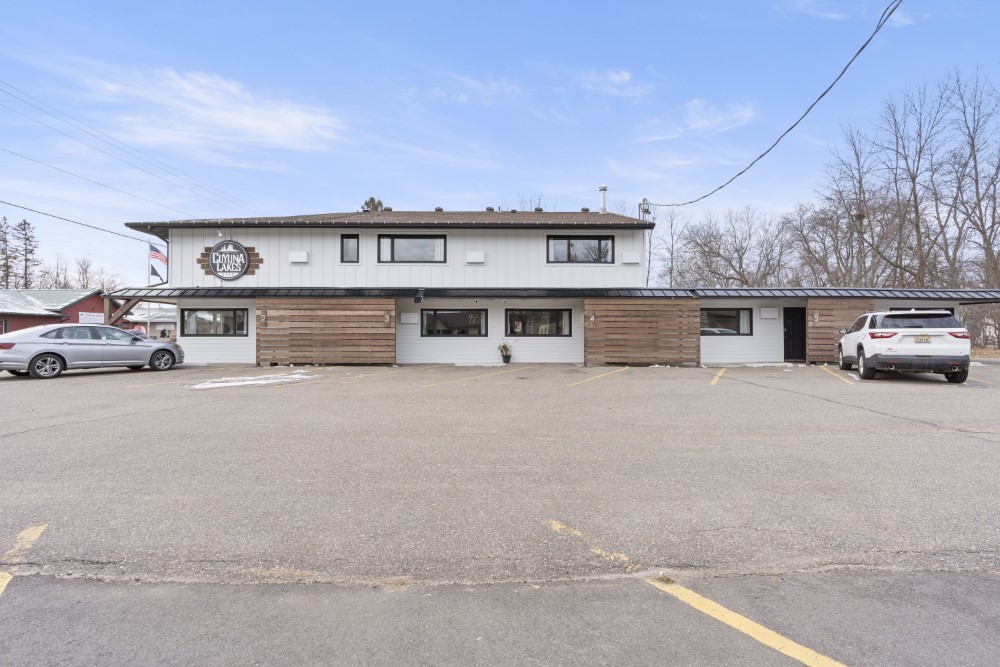
When travelers think “hotel,” they may picture a building with lobbies, front desks, and standardized rooms. While that traditional model still exists in many markets, properties in the Cuyuna Lakes region — including Cuyuna Lakes Stay — reflect a more flexible, experience-centric approach to lodging.
Rooms often include practical amenities like small kitchenettes and versatile sleeping arrangements. This approach responds to how travelers now live while on the road: preparing their own meals after a long day outdoors, quickly resting between activities, and unwinding in spaces that feel comfortable and familiar. These features blur the lines between a hotel room and a short-term home, making each stay feel both functional and restorative.
Understanding this broader role helps clarify why hotels in outdoor destinations often prioritize location, ease of access, and amenity practicality over extravagant amenities. For many guests, the quality of a hotel stay is measured not just by what’s inside the room, but how smoothly the experience supports the adventure outside it.
One of the most consistent factors influencing hotel choice is location. A hotel near trails, lakes, or town hubs offers practical advantages: reduced travel time, flexibility for spontaneous plans, and a stronger sense of immersion in the destination. In Cuyuna Lakes, properties that provide easy access to outdoor recreation — whether mountain biking, kayaking, or fishing — often become hubs for repeat visitors.
Beyond purely recreational reasons, location also influences how travelers connect with the local community. Staying near town centers — or in areas where shops, restaurants, and cultural nurseries are within walking distance — amplifies the travel experience. For example, guests staying in a hotel just a few blocks from trailheads can easily turn a morning ride, midday lunch, and afternoon paddle into a seamless day.
This integration of hotel location with lifestyle and activity patterns highlights the evolving role of lodging in modern travel planning.
Hotels in the Cuyuna Lakes area serve visitors year-round, but the travel rhythms shift with the seasons:
Spring:
Spring brings an energizing return to life across Minnesota’s forests and waters. As trails dry and lakes awaken, more travelers seek hotels with adaptable access to outdoor systems. During this shoulder season, hotels that offer flexibility in check-in/check-out times and weather-ready amenities find favor among guests who may arrive early or stay late to enjoy the changing seasons.
Summer:
Peak season in Cuyuna Lakes not only aligns with warm weather but with the highest demand for hotel rooms. Properties close to attractions — especially those near interconnected trail systems — become natural choices simply because they reduce travel logistics. For travelers who prioritize outdoor activity, being minutes from trailheads often outweighs in-house hotel luxuries.
Fall:
Autumn in Minnesota brings crisp air and vivid foliage. Many hotel guests during fall are drawn by quieter trails and a slower pace, appreciating spaces where they can relax after a day of exploration. Hotels that emphasize cozy interiors, local recommendations for scenic drives, and adaptable amenities resonate especially well in this season.
Winter:
Cold months in Cuyuna Lakes introduce opportunities for winter sports like fat-biking and snowshoeing. Hotels that ensure reliable heating, comfortable communal areas, and straightforward access to winter trails support travel patterns that extend beyond summer. Understanding how guests engage with winter recreation helps define what constitutes value in hotel accommodations during the colder months.
While the word hotel broadly refers to places offering paid lodging, several categories emerge as travelers research accommodations in Cuyuna Lakes and nearby regions:
Full-Service Hotels: Often featuring larger communal spaces, front desk services, and a range of guest amenities. These properties may attract visitors prioritizing convenience and additional services.
Boutique Lodging: Smaller properties that offer unique design touches, personal service, and localized experiences. Boutique hotels can blend hospitality with intimate familiarity.
Home-Style Rooms and Suites: Including options with kitchenettes and flexible layouts, common in properties oriented toward outdoor travelers.
Extended-Stay Hotels: Ideal for longer visits, these options emphasize comfort and utility, making them attractive for seasonal workers or guests exploring the region at a relaxed pace.
Understanding these categories helps travelers set expectations before arrival and choose a hotel that aligns with their priorities — whether that’s proximity to trails, room versatility, or a more curated stay experience.
Travelers often evaluate hotel stays based on how well the property supports their needs beyond the basics of a bed and bathroom. In destinations defined by activity and exploration, the following amenities frequently influence guest satisfaction:
These functional elements help bridge the gap between a simple hotel room and a traveler’s needs during an active visit.
To place Cuyuna Lakes lodging in a broader context, it’s useful to consider external resources that document travel and hotel trends. For instance, major travel platforms provide pricing snapshots and guest review data that illustrate how hotels in the broader Cuyuna region compare and what amenities guests note most in their stays. These aggregated insights help travelers understand what they might expect from a hotel experience in this area and beyond.
Likewise, research into recreational assets — such as the Cuyuna Country State Recreation Area — shows how natural features shape hotel demand throughout the year. A property’s proximity to these assets often intersects with traveler priorities when evaluating hotels.
In the Cuyuna Lakes region, the word hotel encompasses more than a place to sleep; it reflects a traveler’s integration with place, priorities, and daily experience. Whether a stay emphasizes proximity to outdoor systems, functional room features, or adaptive amenities that support four-season travel, hotels in this landscape have evolved to meet diverse needs.
Understanding the role of lodging — and the specific ways hotels support traveler expectations — enriches the travel narrative and adds depth to how visitors approach planning and enjoyment.
Resources:
“https://cuyunalakesstay.com/our-rooms/“
“Top 10 Hotels in Cuyuna, MN from $70 – Competitive Prices | Expedia“





When booking a stay with pets at Cuyuna Lakes Stay, you must call the hotel to add your pets to your reservation.
Pets must not weigh more than 50 pounds, with a limit of 1 dog per room.
Dogs ONLY no cats allowed.
Dogs cannot be left unattended in the room.
You must provide your pets vaccination records if asked for them.
The hotel will charge additional $30 per night throughout your stay with your pet.
You will be held financially responsible for pet damage to your room.
Pets must be on a leash whenever they are out of your room.
If you receive two (2) noise complaints you will be asked to leave. (No refunds)
You must pick up after where ever your pet goes potty. You must have your own potty bags, we do not provide them.
Thank you.